
What Is Trail Running?

Trail Running means running on natural paths, like dirt trails in the woods or grassy fields. Unlike running on pavement, trails can have rocks, roots, hills, and other obstacles. This makes Trail Running more challenging and exciting. It’s a wonderful way of enjoying the outdoors and see beautiful places while staying active.
Instead of running on roads or tracks, trail running takes you on paths through parks, forests, mountains, and fields. It’s like hiking, but at a faster pace. This guide will help you learn about trail running, how to get started, and tips to make exploring these new trails enjoyable and safe.
Getting Started
Here are some steps to help get you started off on the right foot (pun intended):
- Find the Right Shoes –Trail Running shoes are different from regular running shoes. They have special soles for better grip on uneven surfaces and are made to protect your feet from rocks and roots.
- Choose Easy Trails First – Start with trails that are flat and not too rocky. This helps you get used to running on uneven ground. As you become more comfortable, you can start exploring more challenging trails with hills and obstacles.
- Wear the Right Clothes – Dress in layers so you can adjust to the weather. Wear moisture-wicking fabrics to keep sweat away from your skin. In cooler weather, add a light jacket or long sleeves. Always check the weather before heading out.
- Stay Safe – Tell someone where you’re going and when you plan to return. Carry a small backpack with water, a snack, a basic first-aid kit, and a map or phone with GPS. It’s also a good idea to run with a friend, especially when exploring unfamiliar trails.
Benefits of Trail Running
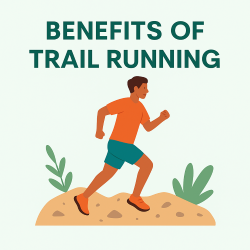
Trail running has many benefits for both your body and mind:
- Physical Health – Running on trails helps build strong muscles, especially in your legs and core. The uneven surfaces make your body work harder to keep balance, which improves overall strength. It’s also good for your heart and lungs.
- Mental Health – Being in nature and exploring new surroundings can reduce stress and make you feel happier. The peaceful surroundings and fresh air can improve your mood and help you relax.
- Less Impact – Running on soft surfaces like dirt is gentler on your joints compared to hard pavement. This can help prevent injuries and make running more comfortable.
- Adventure – Every trail is different, offering new sights and challenges. This keeps running interesting and fun while exploring new trails.
Tips for Trail Running
Here are some helpful tips to make your trail running experience better:
- Watch Your Step – Keep your eyes on the trail ahead to spot rocks, roots, and other obstacles. This helps you avoid tripping and falling.
- Slow Down – Trail running is often slower than running on roads because of the uneven terrain. It’s okay to walk up steep hills or tricky sections. Focus on enjoying the experience rather than speed.
- Use Your Arms – Keep your arms slightly bent and use them to help balance as you navigate the trail. This can make it easier to stay steady on uneven ground.
- Shorten Your Stride –Taking shorter steps can help you maintain balance and react quickly to changes in the trail. This is especially helpful on rocky or root-filled paths.
- Be Prepared for Weather Changes – Weather can change quickly, especially in mountainous areas. Bring a lightweight rain jacket if there’s a chance of rain, and be aware of the forecast before you go.
Build Confidence and Mental Strength on the Trails
One of the lesser-known perks of running outdoors on natural paths is how it boosts your confidence and sharpens your focus. As you navigate uneven ground, climb hills, and dodge obstacles, you develop the ability to adapt quickly. Each time you complete a tough course, you prove to yourself that you’re resilient and capable. This kind of outdoor adventure isn’t just good for your body and it’s also great for your mind. It helps you stay calm under pressure and feel strong in other parts of life, too.
Exploring Trails

Finding new trails can be part of the adventure. Here are some ways to discover trails in your area:
- Local Parks – Many parks have trails suitable for running. Check with your local park district for maps and information.
- Online Resources –Websites and apps can help you find trails nearby. They often include reviews and difficulty ratings from other runners.
- Running Clubs – Joining a local running club can introduce you to new trails and running partners. Experienced runners can offer advice and share their favorite routes.
Building Endurance and Strength
As you continue trail running, you’ll build endurance and strength. Here are some ways to improve:
- Increase Distance Gradually – Add a little more distance to your runs each week. This helps your body adapt without risking injury.
- Incorporate Hills – Running uphill strengthens your legs and improves cardiovascular fitness. Start with small hills and work up to steeper climbs.
- Cross-Train – Activities like cycling, swimming, or yoga can improve overall fitness and give your running muscles a break.
- Rest and Recover – Give your body time to rest between runs. Rest days help prevent injuries and allow muscles to recover and grow stronger.
Joining the Trail Running Community
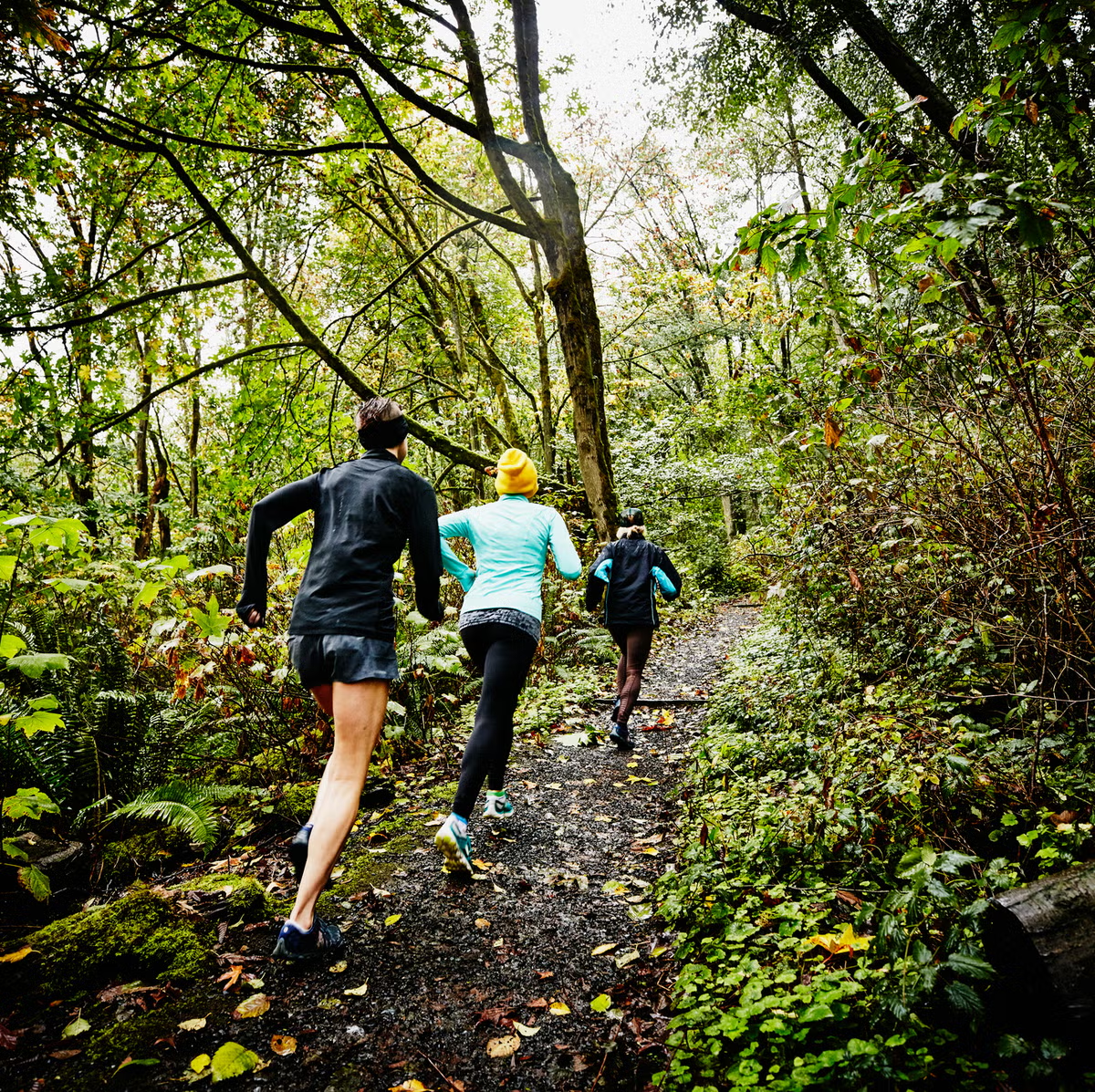
Becoming part of the trail running community can enrich your experience by providing support, motivation, and camaraderie.
Here are some steps to help you connect with fellow trail runners:
- Local Running Groups – Many communities have running clubs that include trail running enthusiasts. In Knoxville, Tennessee, for example, 865 Running connects runners to local groups and resources. Joining such groups can help you meet like-minded individuals and discover new trails.
- Online Platforms – Websites like Meetup host various trail running groups. By searching for local events, you can find group runs and connect with others who share your interest. Additionally, social media platforms and forums often have local running communities where members organize runs and share tips.
- Specialized Communities – Search for groups that aim to create inclusive spaces within the trail running community.in your area. Participating in events with these groups can provide opportunities to connect with a diverse group of runners.
- Local Events and Races – Participating in local trail races or events is another excellent way to meet fellow runners. These gatherings often foster a strong sense of community and can lead to lasting friendships.
Best Times of Year to Trail Run

Trail running is a year-round activity, but each season brings its own unique experience. The best time to run depends on your location, weather preferences, and the types of trails you enjoy.
Spring – This season is full of new life. Trees and flowers start to bloom, and the temperatures are usually mild. Just be prepared for muddy trails due to melting snow and spring rains.
Summer – Long daylight hours make it easier to run early in the morning or later in the evening when it’s cooler. In hot areas, be sure to wear breathable clothes and carry extra water.
Fall – Many runners consider fall to be the best time for trail running. The crisp air and colorful leaves create a beautiful and comfortable setting. Trails are usually dry, making for safer footing.
Winter – If you live in an area with little snow, winter can be peaceful and quiet on the trails. Dress in layers, wear trail shoes with good traction, and be extra cautious with icy spots. In snowy areas, you can try snowshoe running!
No matter the season, always check the forecast before heading out and choose trails that match the conditions.
How Trail Running Differs from Hiking or Road Running
Trail running, hiking, and road running all involve moving your feet, but each one feels very different. Here’s how they compare:
Trail Running vs. Hiking
Trail running moves at a quicker pace than hiking. You’re still on natural trails, but instead of walking, you’re jogging or running. Hikers often carry larger backpacks and may be out for longer. Trail runners usually carry lighter gear and focus on covering ground more quickly.
Trail Running vs. Road Running
Running on roads or sidewalks means smooth, even surfaces. This allows for faster speeds but puts more stress on your joints. Trail running takes place on dirt paths, which can be softer but more uneven. It challenges your balance and agility but is gentler on your knees and ankles.
Each of these activities has its own benefits, but trail running offers a mix of adventure, exercise, and natural beauty that’s hard to beat.
Conclusion:
By engaging with the above resources, you can immerse yourself in the trail running community, gain valuable insights, and enjoy the shared experience of exploring nature’s trails with others.
Author: Kaye