
Updated 6/19/25
Basic sewing knowledge is something I am always surprised by how many people lack any basic sewing knowledge or skills. Everyone encounters situations where a button or hook-and-eye detaches from their clothes or a hem unravels from a garment, requiring repair. These are all basic sewing knowledge and skills that I hope to share with you in my Basic Sewing 101 Lessons on my YouTube channel , and that you can pass down to future generations.
Understanding the types of sewing machines available is another part of basic sewing knowledge I aim to share. Sewing machines vary in type, each designed for different purposes and skill levels. I recommend avoiding toy sewing machines for children, as they often lack functionality and durability, making them poor investments.
Instead, consider purchasing an inexpensive, used machine from sources like yard sales, FB Marketplace, or sewing machine dealers offering trade-ins. Many retail stores also offer sewing machines priced under $100, perfect for beginners, and often include free sewing classes with purchase. As your skills grow and your sewing knowledge expands, investing in a machine suited to your preferred projects is beneficial. Additionally, opting for a machine with all-metal parts ensures greater longevity.
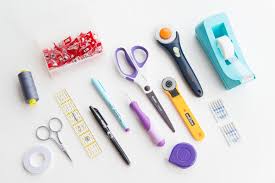
BASIC SEWING KNOWLEDGE – ALL LEVELS – TOOLS
Basic Sewing Knowledge begins with gathering the right tools. Below is a list of common tools you might need before you start a sewing project:
- cloth measuring tape
- scissors for fabric
- scissors for paper, etc.
- Measurement taking guide
- Hand sewing needle
- machine sewing needles
- pin cushion
- clips
- rulers
- heat or air erase marking pens, and tailors chalk
- iron
- ironing board
- rotary cutter
- cutting mat
SEWING MACHINES AND THEIR USES
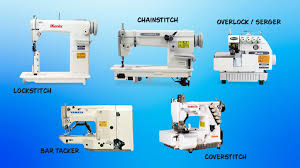
Mechanical Sewing Machines – basic sewing machines operated manually with mechanical controls. They are used for general sewing tasks like garment construction, repairs, and simple crafts. Additionally, they are ideal for beginners due to their simplicity and affordability.
Computerized Sewing Machines – more advanced sewing machine with electronic controls and computerized features. They offer a wide range of stitches, automatic threading and programmable stitch patterns. Moreover, they are suitable for sewing enthusiasts and professionals alike who require precision and versatility.
Embroidery Machines – designed for decorative stitching and embroidery. They feature built-in designs, fonts, and monogramming capabilities. They are used for adding embellishment to garments, home decor items, and accessories with beautiful designs.
Serger (Overlock) Machines – specialized machines for finishing raw edges of fabric and creating professional looking seams. Additionally, they can trim, sew, and overcast fabric edges at the same time, which reduces fraying and provides a clean finished look to your project. They are great for sewing stretch fabrics (knits, spandex, nylon) and creating rolled hems and for constructing knitwear.
Quilting Machines – designed for all types of quilting projects including piecing, quilting and binding. They also feature extended sewing tables, specialized quilting stitches, and walking feet for feeding thicker fabric. They are used for quilting bedspreads, wall hangings, quilts, and other quilted items.
Heavy-Duty Sewing Machines – Industrial-grade machines built for sewing heavy fabrics and materials. They come with powerful motors, sturdy frames, and extra-high pressor foot lift. they are used for sewing denim, canvas, leather, and upholstery fabrics in upholstery, leatherwork, and bag making.
Mini Sewing Machines– Compact and portable. They are designed for lightweight sewing tasks. They are suitable for small repairs, crafting projects, and sewing on-the-go. Moreover, they are ideal for beginners, children, and travelers due to their small size and simplicity.
Walking Foot Sewing Machines – come with a walking foot mechanism for even fabric feeding. They prevent layers of fabric fromshifting during sewing. Therefore, they are great for quilting, sewing bulky fabrics, and working with slippery or difficult materials.
Industrial Sewing Machines – Heavy-Duty machines used in commercial settings for high-volume sewing production. They can handle thicker materials. These machines offer specialized features and capabilities tailored to specific industries, such as garment manufacturing, automotive upholstery, sailmaking, and bag making.
Blind Stitch Machines – more advanced sewing machine that has electronic controls and computerized features. Offer a wide range of stitches, automatic threading and programmable stitch patterns. They also have powerful motors, sturdy frames, and extra-high presser foot lift. Used for sewing denim, canvas, leather, and upholstery fabrics in upholstery, leatherwork, and bag making. They are often used in factory production work. Additionally, they are used for creating nearly invisible hems on garments and home decor items while using a blind stitch to join fabric layers while concealing the stitches on the exterior of the garment.
BASIC SEWING KNOWLEDGE – TIPS FOR SELECTING FABRIC AND NOTIONS FOR PROJECTS
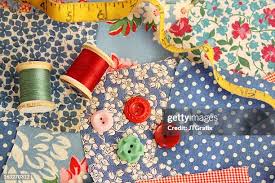
Moreover, you should also gain the basic sewing knowledge and skills of how to select your fabrics and notions. Here are a few tips for you:
- Check your sewing pattern to assess the requirements of your sewing project, such as the intended use, durability, and desired aesthetic.
- Choose fabrics and notions that are suitable for the project’s purpose, whether it’s clothing, home decor, quilting, or crafts.
- Fabric type: Choose a fabric that complements the project’s design and functionality. Consider factors such as drape, weight, stretch, and texture.
- Fiber content: Select natural fibers (e.g., cotton, linen, silk) for breathability and comfort, or synthetic fibers (e.g., polyester, nylon) for durability and easy care.
- Print and pattern: Decide on a print or pattern that enhances the project’s style and theme. Consider scale, color scheme, and motif suitability.
- Thread: Choose thread that matches the fabric color and weight. Use polyester thread for general sewing, cotton thread for natural fibers, and specialty thread (e.g., metallic, topstitching) for decorative stitching.
- Needles: Select sewing machine needles and hand sewing needles appropriate for the fabric type and weight. Use ballpoint needles for knit fabrics and sharp needles for woven fabrics.
- Fasteners: Choose the appropriate fasteners for closures, such as zippers, buttons, snaps, or hook-and-loop tape. Consider functionality, durability, and eye appeal.
- Trims and embellishments: Enhance your project with trims like lace, ribbons, bias tape, or appliqués. Consider the project’s style and desired decorative effect.
Testing Fabric and Notions
Prior to beginning a project, it’s essential to test your fabric and notion combinations to achieve your desired results. Experimenting with various fabrics, threads, and notions not only enhances your basic sewing knowledge and skills but also helps you understand how to achieve the desired look and feel for your project. This hands-on experimentation provides invaluable insights into achieving your project’s aesthetic goals and contributes to your overall basic sewing knowledge.
Budget Considerations
Everyone should be budget-conscious. Sometimes, purchasing a ready-made garment proves cheaper than making one. Before beginning any project, it’s important to determine your budget for fabric and notion. Also, consider the project’s size, difficulty or skill level, and the desired quality you are striving for. Always seek out sales, discounts, coupons, or fabric remnants to extend your budget without compromising the project’s quality.
Additionally, you can Go Here to find ways to save on things you buy everyday!
Care Instructions
Always take fabric care instructions into account when selecting your fabric and other materials. Opt for fabrics and notions that are easy to care for and maintain. This consideration becomes even more important for garments and household items that undergo frequent washing or use.
Also, it’s worth considering the environmental impact of your fabric and notion choices. Whenever possible, choose sustainable and eco-friendly options such as organic cotton, recycled polyester, or biodegradable notions
Basically, by following these tips, your confidence in basic sewing knowledge will be boosted by selecting the right fabrics and notions for your sewing projects, ensuring professional results and your overall satisfaction with the finished product.
BASIC SEWING KNOWLEDGE – STARTING YOUR FIRST PROJECT
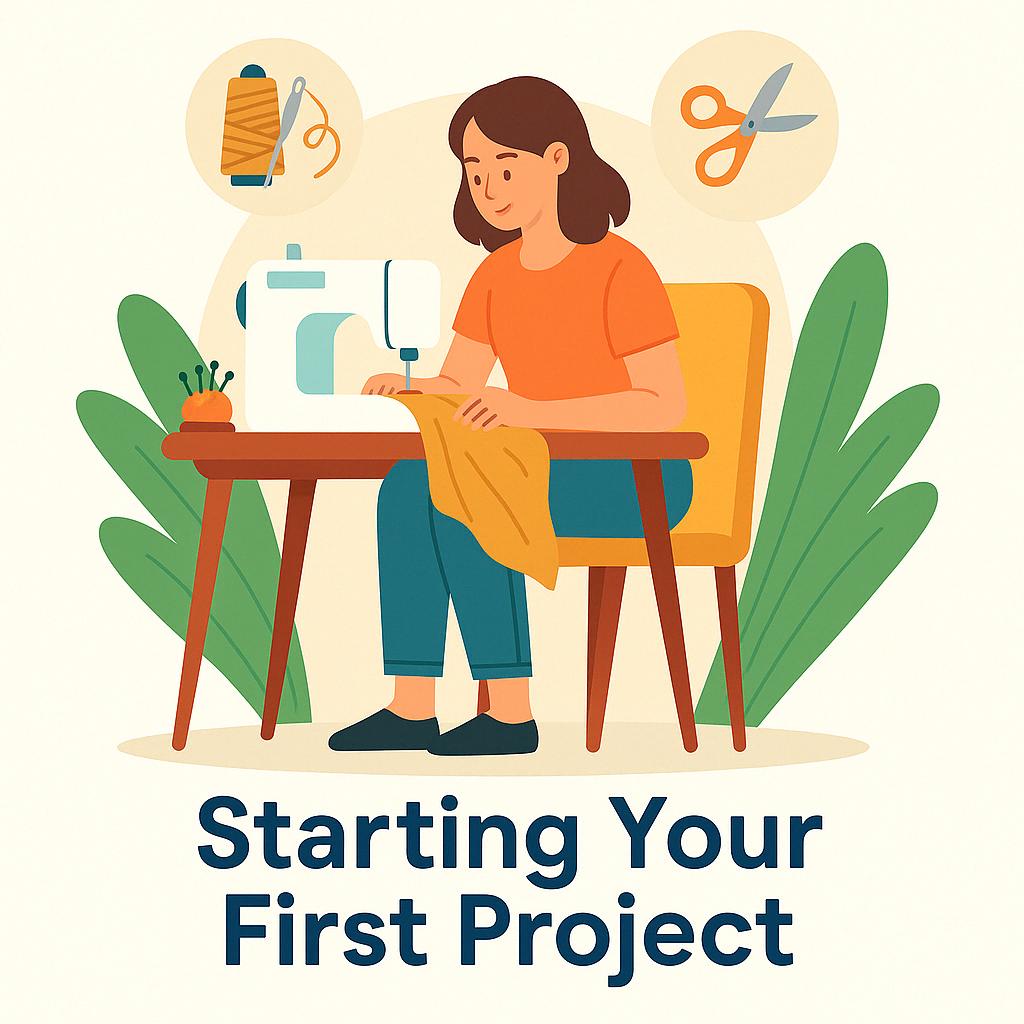
Once you’ve gathered your tools and picked out your fabric, it’s time to dive into your first project! Starting simple is key. Don’t feel pressured to make something complicated right away. A great beginner project might be a pillowcase, tote bag, or even a small apron. These are fun, useful, and will help you build your confidence.
Before you begin, always wash and dry your fabric (unless the care instructions say not to). This helps prevent shrinking later. Iron it flat, then lay out your pattern or measurements. Make sure to pin carefully and cut slowly to keep your pieces even. Remember, sewing takes patience! If something goes wrong, you can always take it out and try again. That’s how we learn.
Use your basic stitches first: straight stitch and zigzag stitch. These are the building blocks for many projects. As you improve, you can try buttonholes, hemming, and decorative stitches. Celebrate your progress, and don’t forget to share your projects with others. Sewing is a skill that grows with you!
Understanding Thread Types and Their Uses
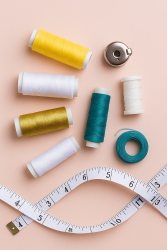
Not all thread is the same, and knowing the difference is part of basic sewing knowledge. For example, polyester thread is strong and flexible, which makes it great for everyday clothes. Cotton thread works best with natural fabrics and gives a softer, more traditional finish. If you’re doing decorative stitching, metallic or topstitching thread adds extra flair. Elastic thread is stretchy and used for shirring and gathering. Always match your thread type to your fabric and project. Using the wrong thread can cause breakage, puckering, or weak seams. Don’t forget to wind your bobbin with the same thread as your spool. This simple habit keeps your stitches even and your projects looking neat and professional!
Sewing Safety Tips for Beginners
Sewing is a fun hobby, but it’s important to stay safe. Always keep your fingers away from the needle area while sewing; especially when using a machine. Don’t pull the fabric through the machine; let the feed dogs do the work. Use sharp tools like rotary cutters and fabric scissors carefully, and store them safely when not in use. Never leave pins or needles loose on the floor or your workspace. It’s also smart to unplug your machine when changing needles or cleaning it. If children are learning to sew, supervise them closely and use finger guards or beginner-friendly tools. Safety might seem boring, but it’s an important part of learning to sew confidently and avoiding accidents.
How to Read a Simple Sewing Pattern
Reading a sewing pattern can feel overwhelming at first, but once you learn the basics, it’s much easier. Most patterns come with a guide sheet that shows step-by-step instructions and helpful diagrams. Look at the front of the envelope to see project pictures and recommended fabric types. On the back, you’ll find size measurements, required notions, and how much fabric you’ll need. Inside, the pattern pieces are usually printed on tissue paper. Each piece is labeled with the part it represents (like “sleeve” or “pocket”), cutting lines, and fold markings. Start with a simple pattern like a pillow or elastic-waist skirt and follow it slowly. With practice, you’ll be reading patterns like a pro!
Simple Projects That Make Great Gifts
Once you’ve mastered the basics, you can start sewing simple gifts for friends and family. Handmade items show love and effort and you don’t have to be an expert to make something special. Try sewing a fabric bookmark, drawstring pouch, pot holder, or zippered makeup bag. These projects don’t take much time, but they’re useful and personal. You can also make reusable snack bags, coffee cozies, or cloth napkins. For kids, soft fabric toys or mini tote bags are great. Gifts like these let you practice new skills while sharing your creativity with others. They’re also budget-friendly and can be made using leftover fabric scraps or fat quarters from your stash.
BASIC SEWING KNOWLEDGE – JOINING A SEWING COMMUNITY
Learning to sew can be easier and more fun when you’re part of a sewing community. Online groups, local classes, and YouTube channels (like Kaye Terry’s Treasures) are great places to learn new skills, ask questions, and find inspiration.
Joining a sewing group helps you:
- Stay motivated to finish your projects
- Get advice when you feel stuck
- See what others are creating
- Make new friends who share your interests
Many sewing communities host challenges, giveaways, or sew-alongs, where everyone works on a similar project and shares their results. These events are a great way to try new techniques while having fun. Whether you’re a total beginner or just brushing up your skills, being part of a community helps keep your creativity flowing. So don’t be shy – reach out, post your projects, and keep sewing!
Author: Kaye 5/4/2024