
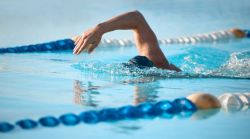
People of all ages enjoy swimming, and it is a great skill to learn because it can help keep you safe in the water. This sport is one of the best activities you can do for fun, fitness, and safety. Whether you’re splashing around in a pool, swimming in a lake, or riding the waves at the beach, this activity is an amazing way to stay active and healthy. In this guide, we will explore why this water activity is important, how to get started, different types of swimming strokes, and the many benefits of this fantastic activity!
Benefits of Swimming for Fitness and Health
Learning how to swim is not just about having fun in the water; it is also a life-saving skill. Learning how to swim can help prevent drowning, which is a serious danger, especially for children. Knowing how to swim gives you confidence and helps you stay safe if you ever find yourself in deep water.
This sport is also a great way to exercise. It works almost every muscle in your body, helping you stay strong and healthy. Since water supports your weight while you swim, it is easy on your joints, making it a perfect activity for people of all ages.
How to Get Started with Learning to Swim
If you have never learned to swim before, don’t worry! It’s never too late to start. Here are some simple steps to help you begin your journey:
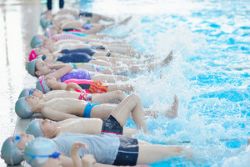
- Find a Safe Place – Start in a shallow pool or a safe area with lifeguards to swim.
- Wear the Right Gear – Get a comfortable swimsuit, swim goggles to protect your eyes, and a swim cap if needed.
- Learn to Float – Before learning to swim, practice floating on your back and staying calm in the water.
- Kick and Paddle – Use a kickboard or hold onto the pool edge to practice kicking your legs and moving your arms.
- Take Lessons – A swim instructor can teach you the basics and help you improve.
- Practice, Practice, Practice – The more time you spend in the water, the better you will become!
The Best Swimming strokes for Beginners and Experts
There are many ways to move through the water. Here are four of the most common types of strokes used in this sport:
- Freestyle (Front Crawl) – This is the fastest stroke. You move your arms forward in a windmill motion while kicking your legs and turning your head to breathe.
- Backstroke – You swim on your back and move your arms in a circular motion while kicking gently.
- Breaststroke – This stroke is slower and easier for beginners. Your arms move in a circular motion, and your legs do a frog-like kick.
- Butterfly – This is the hardest stroke to learn. You move both arms together in a big motion while kicking like a dolphin.
What are the Benefits of Swimming
This sport is one of the best exercises for your body and mind. Here are some of the biggest benefits:
- Great for Your Heart and Lungs – It makes your heart stronger and helps you breathe better.
- Builds Muscles – It strengthens your arms, legs, and core muscles.
- Improves Flexibility – Stretching and moving in the water helps keep your body flexible.
- Low-Impact Exercise – Unlike running, this activity does not hurt your joints.
- Reduces Stress – Being in the water can help you feel calm and happy.
- Fun for All Ages – Kids, adults, and seniors can all enjoy being in the pool.
Water Safety Tips
Even though we have fun when we swim, it’s important to stay safe in the water. Follow these safety tips to avoid accidents:
- Always swim with a friend or in a supervised area.
- Follow pool rules and listen to lifeguards.
- Never run near the pool to avoid slipping.
- Learn basic water rescue skills and CPR.
- If you get tired, float on your back to rest.
- Wear a life jacket when you swim in deep or open water.
For more information about learning to swim safely, visit the American Red Cross guide on Water Safety for Kids and Adults.
Fun Swimming Activities
There are so many ways to enjoy being in the pool beyond just doing laps. Try these fun activities:
- Water Games – Play Marco Polo, water tag, or relay races with friends.
- Diving – Practice diving safely in deep water.
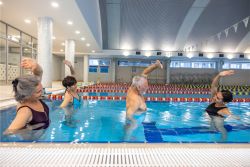
- Aqua Aerobics – Exercise in the water to build strength.
- Snorkeling – Explore underwater life with a mask and snorkel.
- Water Polo – A fun team sport played in the water.
How to Combine Swimming and Travel Adventures
Going for a swim isn’t just a fun way to cool off, it’s also a great reason to travel! Whether you’re looking for crystal-clear ocean waters, refreshing mountain lakes, or world-famous pools, this sport can turn an ordinary trip into an unforgettable adventure. Below are some possible places to travel and swim.
Beach Destinations – Many travelers seek out tropical beaches for their soft sand and warm waters. Places like Hawaii, the Maldives, and the Caribbean offer incredible swim experiences with colorful fish, coral reefs, and gentle waves.
Lakes and Rivers – If you prefer to swim in freshwater, destinations like Lake Tahoe, the Great Lakes, or Switzerland’s Lake Geneva provide stunning views and refreshing swims. Some rivers, like the Barton Springs Pool in Texas, offer natural spring-fed swim areas perfect for a dip.
Famous Swimming Pools – If you love luxury, famous pools like the infinity pools in Bali, the rooftop pool at Marina Bay Sands in Singapore, or Iceland’s Blue Lagoon provide unique experiences that mix relaxation with breathtaking scenery.
Swimming as a Cultural Experience – In some places, this activity is deeply tied to the local way of life. The floating markets of Thailand, the Venetian canals of Italy, and Japan’s natural hot springs (onsen) all offer water-related travel experiences beyond just swimming.
Whether you’re diving into clear waters or just enjoying a peaceful swim with a view, traveling for the opportunity to swim in different locations can open up a world of adventure!
Swimming Gear Essentials: What You Need to Get Started
To have the best experience when you swim, it’s helpful to have the right gear. Whether you’re a beginner or a seasoned swimmer, using good-quality gear can improve your performance and make hitting the water more fun.
Here’s a simple checklist of swimming gear essentials:
- Swimsuit: Choose one that fits well and stays in place when you’re moving in the water.
- Goggles: These protect your eyes from chlorine and help you see underwater.
- Swim Cap: Keeps your hair out of your face and helps reduce drag.
- Kickboard: Helps you focus on kicking techniques.
- Pull Buoy: Helps you practice arm movements by keeping your legs afloat.
- Fins: Great for building leg strength and practicing faster kicking.
- Towel & Water Bottle: Dry off and stay hydrated after you swim.
Having the right equipment helps you feel more comfortable and confident in the water. Even just goggles and a good swimsuit can make a big difference!
Swimming for Mental Health and Wellness
This sport doesn’t just help your body, it also boosts your mind! When you’re in the water, your brain gets a break from stress and busy thoughts. That’s why this activity is often called a “moving meditation.”
Mental health benefits of swimming include:
- Feeling calm and relaxed after a swim session
- Reducing stress and anxiety levels
- Improving sleep at night
- Boosting your mood with the release of feel-good hormones like endorphins
- Increasing focus and mental clarity
Whether you’re floating on your back, doing laps, or playing games in the water, this activity offers a peaceful and healthy way to care for your mental well-being.
Swimming and Family Fun
Swimming is a great activity for the whole family. It’s something kids, parents, and even grandparents can do together. It helps everyone stay active while spending quality time with each other.
Here are a few ideas for family swim fun:
- Visit a local community pool for open swim hours.
- Plan a lake or beach day with swim games.
- Teach young kids water safety skills early.
- Try floating together or practicing fun strokes as a team.
- Celebrate birthdays or holidays with pool parties!
This sport builds confidence in kids and helps families create joyful memories. It’s a perfect way to connect while staying healthy.
Competitive Swimming and Swim Meets
Once you learn the basic swimming strokes, you might want to try competitive swimming. Swim meets are exciting events where swimmers race in different strokes and distances. It’s a great way to test your skills and meet other swimmers.
Here’s what you can expect in a swim meet:
- Swimmers are grouped by age and ability.
- Events include freestyle, backstroke, breaststroke, and butterfly.
- Some races are short (sprints), and others are longer (distance).
- There are also relay races, where teams work together.
- Judges make sure everyone follows the rules.
Competing in swim meets helps build confidence, teamwork, and good sportsmanship. Plus, it’s so much fun to hear the cheers and try your best in the water!
Swimming Myths vs. Facts
There are a lot of silly myths about swimming. Let’s clear up some of the most common ones with the truth!
Myth: You have to wait 30 minutes after eating to swim.
Fact: Light meals or snacks are usually fine. Just don’t eat too much right before you swim.
Myth: Only young people can swim well.
Fact: People of all ages can learn and enjoy swimming, even seniors!
Myth: Swimming in the ocean is the same as swimming in a pool.
Fact: Ocean swimming has waves and currents, so you need to be extra careful and always swim where lifeguards are present.
Myth: You can’t get tired while swimming.
Fact: Swimming is a full-body workout. It’s important to take breaks and rest when needed.
Understanding the truth about swimming helps you stay safe, feel confident, and enjoy it even more!
Conclusion
Swimming is an amazing activity that offers fun, fitness, and safety. Whether you’re learning to swim for the first time or improving your strokes, the water has something to offer for everyone. With practice, patience, and safety in mind, you can enjoy this sport or a lifetime. So, grab your swimsuit and dive into the world of swimming today!
Check out other great Sports that you can participate in and also enjoy The Great Outdoors by tapping the link below!
Author: Kaye