
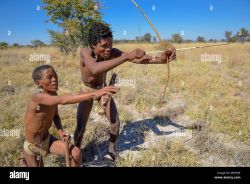
Teaching your children how to hunt is a Tradition of Skill and Stewardship. This is a practice deeply rooted in human history. This evolved from a means of survival to a regulated sport that emphasizes conservation and ethical responsibility. To hunt requires a great deal of patience, and a profound respect for wildlife and the environment.
The Role of Hunting in Conservation
Hunting plays a significant role in the conservation of wildlife by contributing to habitat preservation, population management, and funding for conservation programs. Through the purchase of hunting licenses, permits, and excise taxes on hunting equipment, hunters provide essential financial support for wildlife management agencies. These funds help to maintain and restore habitats, conduct research, and implement conservation initiatives that benefit both game and non-game species.
Additionally, regulated hunting serves as an effective tool for controlling wildlife populations, ensuring ecological balance, and reducing human-wildlife conflicts. By managing species numbers, hunting helps prevent overpopulation that can lead to habitat degradation and increased instances of disease. For example, controlled deer hunts are often conducted to maintain healthy herd sizes and protect forest vegetation.
It’s important to recognize that while hunting contributes significantly to conservation, it remains a topic of debate. Critics argue that the financial contributions of hunters are sometimes overstated and that alternative, non-lethal methods of conservation should be prioritized. Nonetheless, the integration of regulated hunting within comprehensive conservation strategies has proven beneficial in various contexts, highlighting the complex relationship between hunting practices and wildlife preservation.
Types of Things to Hunt
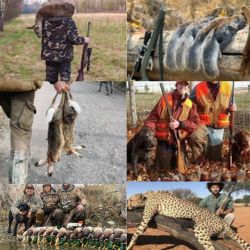
Hunting in North America encompasses a diverse array of game species, broadly categorized into big game, small game, waterfowl, and upland game birds.
- Big Game – This category includes larger mammals such as white-tailed deer, mule deer, elk, moose, and various species of bear. These animals are often pursued for their meat, hides, and antlers, offering hunters both sustenance and trophies. For instance, the white-tailed deer is the most commonly hunted big game animal in North America, with mature bucks in the South weighing as little as 100 to 125 pounds, while those in the North can weigh upwards of 300 pounds.
- Small Game – Smaller mammals like rabbits, hares, and squirrels fall into this category. These species provide accessible opportunities and are often abundant in various habitats. For example, in the United States, commonly hunted rabbits and hares include Eastern cottontails, snowshoe rabbits, and jackrabbits.
- Waterfowl – This group comprises birds such as ducks and geese, typically found in wetlands, lakes, and rivers. To Hunt waterfowl requires knowledge of migratory patterns and often involves the use of decoys and blinds to attract the birds within range.
- Upland Game Birds – Species like pheasants, quail, grouse, and wild turkeys are included here. These birds inhabit forests, grasslands, and agricultural areas, and hunting them often involves walking through their habitats to flush them into flight.
Each type of game offers unique challenges and rewards, contributing to the rich tradition of hunting across the continent.
Essential Gear for a Hunt
Here is a list of widely used and considered essential Gear for a Hunt:
- Firearms/Bows – Choose appropriate weapons; ensure proficiency and adherence to regulations.
- Ammunition/Arrows – Select suitable types for your target species.
- Clothing – Wear weather-appropriate, camouflage or blaze orange attire as required.
- Optics – Use binoculars and scopes for spotting and accuracy.
- Navigation – Carry maps, GPS devices, and compasses.
- Safety Equipment – Include first-aid kits, emergency communication devices, and survival gear.
- Licenses and Permits – Obtain necessary documentation before hunting.
Ethics and Best Practices for a Hunt
Ethical hunting embodies principles that ensure respect for wildlife, the environment, and the broader community. At its core, it involves adhering to all laws and regulations, which are designed to maintain ecological balance and promote sustainable wildlife populations.
Beyond legal obligations, ethical hunters practice the following:
- Fair Chase – Ensuring that animals have a fair opportunity to evade capture, thereby maintaining the integrity of the hunt.
- Respect for Wildlife – Ethical hunters strive for quick, clean kills to minimize animal suffering and make full use of harvested game, reflecting a deep respect for the life taken
- Landowner Relations – Always seek permission when hunting on private land; respect property boundaries.
- Safety First – Responsible hunters always handle firearms and bows with care, wear appropriate safety gear, and remain vigilant to prevent accidents.
By upholding these best practices, hunters contribute positively to conservation efforts and ensure the continuation of hunting traditions for future generations.
Preparing for a Hunt
Preparing for a hunt starts with getting the right licenses and understanding the area you plan to visit. Scout your chosen area to hunt in advance to understand the terrain, identify game trails, and select the best locations for stands or blinds.
By preparing for a hunt properly, you increase your chances of success while staying safe and legal. Begin by getting all of the necessary licenses and permits and familiarize yourself with local hunting regulations.
Preparing for a hunt means more than just grabbing your gear; it requires research, safety checks, and knowledge of the land. However, you need to equip yourself with the appropriate Gear, including a well-maintained firearm or bow, sufficient ammunition or arrows, and suitable camouflage clothing that aligns with the environment. Invest in durable, waterproof boots to navigate diverse terrains comfortably.
Prioritize safety by carrying essential items such as a first aid kit, navigation tools (map, compass, GPS), and sufficient food and water supplies. Also, be sure to inform someone of your hunting plans and expected return time. By Preparing for a Hunt, you enhance your readiness for the hunt and contribute to a responsible and enjoyable outdoor experience.
Teaching Youth the Traditions of Hunting
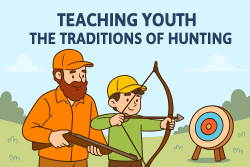
Teaching Youth the Traditions of Hunting is a powerful way to pass down values like respect, patience, and conservation. It is more than just showing them how to use a bow or gun. It’s about teaching respect – for nature, for animals, and for the land. Many families pass down hunting traditions through generations. Kids learn how to track, observe, and understand animal behavior. They also learn the importance of patience and safety.
Youth hunter and education programs are available in most states. These programs teach young hunters about rules, safety, and ethics. Some even offer youth-only hunting days so they can gain experience in a low-pressure environment. When guided by responsible adults, Teaching Youth the Traditions of Hunting will let them know this sport is not about trophies, but about stewardship and understanding the natural world.
Seasonal Hunting Tips
Different times of year offer different challenges and opportunities for hunters. Here’s a basic breakdown:
- Spring: This season is often for a turkey hunt. Early mornings are best. Wear camo that matches the budding trees and be prepared for quick movements.
- Fall: This is the busiest season. Deer, elk, and upland birds are active. Dress in layers, as the mornings are cold but the afternoons can be warm.
- Winter: This season calls for extra preparation. Staying warm and dry is key. Wear insulated boots and bring hand warmers. Some predators like coyotes are more active in the winter months.
- Summer: While not as popular for big game, some states allow wild hogs or varmints to be hunted during this time. Hydration is critical in warmer months.
Common Mistakes to Avoid While Hunting
Even experienced hunters can make mistakes. Here are a few to watch out for:
- Not checking your gear before you go. Make sure everything works, from your scope to your boots.
- Ignoring wind direction. Animals use their sense of smell, so position yourself wisely.
- Skipping practice. A hunter should always be confident in their aim and handling of weapons.
- Not scouting ahead of time. Knowing your hunting area increases your chances of success and keeps you safe.
- Leaving trash or signs behind. A respectful hunter leaves the area just as they found it—or better.
Wild Game Recipes and Uses
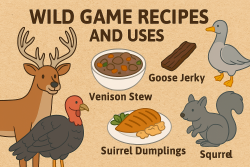
After a successful hunt, the next step is preparing and enjoying the game. Many hunters take pride in using every part of the animal. Some popular ways to prepare wild meat include:
- Venison Stew: Made with deer meat, carrots, potatoes, and onions. Great for cold days.
- Grilled Wild Turkey: Marinated and grilled to perfection.
- Squirrel Dumplings: A Southern tradition passed down through families.
- Goose Jerky: Dried with spices for a high-protein snack on the go.
In addition to meat, hunters often use hides for leather, antlers for crafts or tools, and bones for educational or artistic projects. Nothing goes to waste when done right.
The Future of Ethical Hunting
As the world changes, so does the way we approach how we hunt. Technology has added tools like GPS trackers, trail cameras, and high-tech bows, but the core values remain the same. Ethical hunters of the future will likely continue to focus on conservation, responsible practices, and education.
It’s also important to help protect access to public lands and support local hunting programs. By mentoring new hunters and supporting wildlife agencies, we ensure this tradition continues for generations to come.
Final Reflection
Hunting is not just a sport. It is a connection to the land, a lesson in patience, and a powerful way to care for nature. When done right, it blends tradition, respect, and responsibility. Whether you’re teaching a young hunter, trying a new type of game, or simply enjoying a quiet morning in the woods, The Art of the Hunt continues to shape lives and protect wild places.
The Art of The Hunt is a multifaceted activity that blends tradition, skill, and a commitment to conservation. By adhering to ethical practices and continuous learning, hunters play a vital role in preserving wildlife and natural habitats for future generations.
Author: Kaye