
Here is a look at Frequency and our Furry Friends (Pets). Did you know that invisible waves, called frequencies, can affect your pets? Our pets are more than animals, they are family. We feed them, walk them, play with them, and take them to the vet. But there’s something else we should protect them from: invisible energy waves called frequencies. These can come from things like electronics and loud noises. Some frequencies are good. Others are not.
Thanks to modern tools like tuün®, we now have a way to help our pets stay calm and healthy. Let’s explore how frequencies work, how they affect pets, and what you can do to help your furry friends live a better life.
What Are Frequencies?
Frequencies are tiny waves of energy that move through the air. Some you can hear, like music or alarms. Others come from electronics, like your Wi-Fi router or cell phone. These waves can have both helpful and harmful effects.
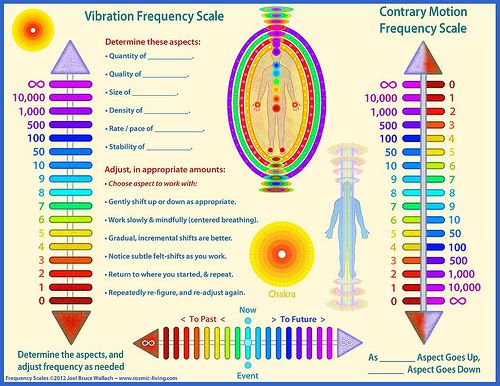
There are two main types of frequencies:
- Sound Frequencies: What we hear.
- Electromagnetic Frequencies (EMFs): Energy from electronics.
While we may not notice these waves, our pets often do. Their ears and bodies can sense things that we miss.
How Our Furry Friends Hear and Feel Frequencies
Pets are very sensitive to sound and energy. Here’s how it works:
- Dogs can hear sounds up to 60,000 Hz, compared to humans who only hear up to 20,000 Hz.
- Cats can detect even higher sounds up to 85,000 Hz.
- Birds and rodents also use sound to survive, communicate, and navigate.
Some frequencies can calm animals like soft music. But others, like sirens or alarms, can stress them out.
Where Do Frequencies Come From?
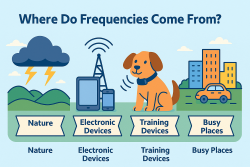
Frequencies are all around us. Here are a few places pets may encounter them:
- Natural Sources: Thunder, earthquakes, and wind.
- Electronic Devices: TVs, cell phones, tablets, and routers.
- Training Devices: High-frequency collars and ultrasonic bark deterrents.
- Busy Places: Traffic, sirens, alarms, or crowded city streets.
Even if we don’t notice them, these sources can trigger stress responses in our pets.
Good and Bad Effects of Frequency on Our Furry Friends
Some frequencies help your pets feel better. Others do the opposite.
Helpful Frequencies:
- Music tuned to 396 Hz or 528 Hz can make pets feel calm.
- Vets sometimes use music therapy for nervous animals.
- Nature sounds (rain, waves) can also help pets relax.
Harmful Frequencies:
- High-pitched alarms or noises from machines.
- Devices that give off strong EMFs.
- Crowded or noisy homes without a quiet space.
Pets that are exposed to the wrong frequencies may develop:
- Sleep problems
- Hyperactivity
- Fearful or aggressive behaviors
- Nervous pacing or hiding
How EMF Protection Helps Pets
You might already use a tool like the tuün® for your own protection from EMFs. Did you know it can help your pets too?
Here’s how:
- Reduces Harmful EMFs: These devices block or balance the energy coming from electronics.
- Promotes Calm Behavior: Some tools create soothing frequency waves for pets.
- Fits Anywhere: You can place it near your pet’s bed or attach it to their collar.
Tips to Protect Your Pets from Harmful Frequencies
You don’t need fancy equipment to help your pets. Start with these simple steps:
Limit EMF Exposure:
- Move electronics away from pet beds.
- Unplug or turn off electronics at night.
- Keep your pet out of rooms with too many electronics.
Use Calming Sounds:
- Play soft music or nature sounds.
- Avoid loud noises or stressful environments.
- Try pet playlists on YouTube or Spotify.
Create a Safe Space:
- Give your pet a cozy, quiet place to retreat.
- Use soft bedding, calming scents, and white noise.
Avoid Harsh Training Tools:
- Steer clear of ultrasonic collars.
- Use positive reinforcement instead.
Watch Their Behavior:
If your pet:
- Is hiding
- Barking for no reason
- Seems jumpy or restless
They may be reacting to certain frequencies in their environment.
A Simple Solution: The tuün® Device

The tuün® is a small but powerful tool. It helps protect your family, including pets, from harmful energy waves.
Benefits include:
- Helps reduce stress from fireworks or storms.
- Shields from EMFs in the home.
- Makes sensitive pets more peaceful.
You can place it:
- In your pet’s bed
- On their crate
- Or even clip it to their collar
Bonus: You’ll benefit from it too!
Fun Frequency Facts
- Cats’ ears rotate up to 180 degrees to detect sound.
- EMFs are measured in milligauss (mG). Safe levels for pets are under 1 mG.
- Tuün® emits balancing frequencies that are not audible to humans or animals but are felt on a cellular level.
- Dogs can detect earthquakes before humans because of their sensitivity to low-frequency vibrations.
Pets Who Found Calm with Frequency Protection
Many pet owners have noticed a big difference after using protective frequency tools. Here are just a few examples:
- Bailey the Beagle used to bark at night and pace around during storms. After wearing a tuün® on her collar, she now sleeps through loud noises calmly.
- Milo the Cat was scared of vacuum cleaners and would hide when the Wi-Fi was active. With a tuün® near his bed, he lounges more and seems more relaxed.
- Sasha the Cockatoo used to squawk loudly at odd times. Her owner added a tuün® near her perch and noticed a calmer, happier bird within days.
These aren’t magic fixes, but they show how simple frequency protection can help improve your pet’s daily comfort and reduce stress.
Real Stories from Pet Owners
Here’s what others are saying:
Lisa from Texas:
“My cat used to hide during storms. Since adding the tuün® to her bed, she stays calm and cuddly.”
Mark from Colorado:
“My rescue dog had anxiety near loud machines. Now he’s relaxed and sleeps better!”
How to Tell If Your Pet Is Reacting to Harmful Frequencies
Sometimes it’s hard to know what’s bothering your pet, but frequencies can be a silent trigger. Look for signs like:
- Sudden hiding or avoidance
- Pacing or restlessness
- Barking or meowing at nothing
- Changes in sleep or appetite
- Acting differently in certain rooms or near electronics
If your pet’s behavior shifts when you turn on the TV or use Wi-Fi near their bed, it may be time to look at what frequencies they’re being exposed to.
EMF-Safe Zones at Home: How to Create Them
You can create “safe zones” in your home that minimize the effects of harmful frequencies:
- Choose a room away from strong Wi-Fi signals or major appliances.
- Use thick curtains or furniture to reduce signal strength.
- Place a tuün® device nearby to help neutralize EMFs.
- Play calming music or white noise at pet-friendly frequencies.
- Keep lighting soft and natural to reduce stress.
Even small changes like turning off unused electronics or moving your router to a central spot can help reduce exposure for both you and your pe
Outdoor Frequencies: What to Watch for When Your Pet Is Outside
Even when your pet is outdoors, they can still be affected by different types of frequencies. While nature provides many calming frequencies like birdsong and flowing water, there are also hidden ones that may be harmful:
- Cell towers and power lines give off strong EMFs that pets can sense.
- Electric fences often emit steady pulses that may irritate sensitive animals.
- Storms and earthquakes produce low-frequency rumbles that some animals detect before humans.
If your pet seems uneasy during walks or when exploring new outdoor spaces, they might be reacting to something you can’t see or hear.
Tip: Bring a portable tuün® device during outdoor activities to help maintain their comfort and safety.
Common Myths About Frequencies and Pets
Let’s clear up a few common misunderstandings about pets and frequencies:
Myth #1: Only humans are affected by EMFs.
Truth: Pets are even more sensitive due to their heightened senses. They may not show it the same way, but they do feel it.
Myth #2: All frequency-based tools are harmful.
Truth: Some frequencies are soothing like calming music and therapeutic tones used in pet care.
Myth #3: You can’t do anything about EMFs.
Truth: Simple actions like moving electronics, turning off unused devices, and using protective tools like tuün® can make a real difference.
Understanding what’s true can help you take better steps to protect your pet.
Traveling with Pets: Keep Frequencies in Mind
When you’re on the go, whether to the vet, the park, or on vacation your pets may be exposed to new frequencies they’re not used to:
- Car alarms and horns can startle them.
- Airport scanners and security systems produce EMFs.
- Hotel rooms or vacation rentals may have powerful Wi-Fi or nearby antennas.
Always watch your pet’s behavior during travel and try to reduce their stress. A tuün® on their collar or crate can help bring familiar calming energy no matter where they are.
Conclusion
Frequencies may be invisible, but they matter. They impact how your pet feels, sleeps, and behaves. With the right tools, like the tuün®, you can give your furry friends the peace they deserve.
Don’t wait until your pet is stressed or unwell. Take action now to protect them from harmful waves and create a calm, safe space they can enjoy every day.
Author: Kaye