
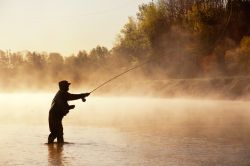
Fishing is one of the oldest and most enjoyable outdoor activities. Whether you’re at a quiet pond, a rushing river, or the vast ocean, there’s something peaceful about casting a line and waiting for a catch. This helpful guide will cover everything you need to know about fishing, including different types, essential gear, best locations, and tips for success.
This sport is more than just catching fish. It’s about relaxation, patience, and spending time in nature. Many people fish to enjoy the great outdoors, bond with family and friends, or even to catch their own fresh food. Plus, it can teach valuable skills like problem-solving, hand-eye coordination, and environmental awareness.
How to Choose the Right Fishing Spot
Picking the right place to fish makes a big difference. Here are a few things to consider:
- Weather and Season: Some fish bite more in certain seasons or weather. Check before you go!
- Water Depth: Some fish like shallow water while others live deeper.
- Water Movement: Fish often gather near moving water like rivers or where waves crash.
- Shady or Sheltered Areas: Fish like to stay cool, so try casting near trees, logs, or rocks.
- Ask Around: Local fishers or sporting goods stores often know the best spots!
No matter where you fish, keep it fun and be respectful of nature.
Easy Fishing Activities for Kids and Beginners
Teaching young children to fish is a great way to spend time with family. Here are some simple and fun activities:
- Casting Practice: Use a toy rod or practice in the backyard to learn how to cast.
- Catch-and-Release Games: Use barbless hooks and teach kids how to gently release fish.
- Fishing Bingo: Make a bingo card with fish types, bugs, birds, and gear they might spot.
- Clean-Up Challenge: Bring a bag and pick up trash near the water for fun and good habits.
Let kids explore safely and learn at their own pace. It can turn into a lifelong hobby!
Fishing and the Environment
While this sport is fun, we also need to protect nature. Here’s how you can help:
- Follow the Rules: Always stick to size and catch limits.
- Use Eco-Friendly Gear: Look for lead-free weights and biodegradable lines.
- Leave No Trace: Clean up your area when you’re done.
- Protect the Water: Don’t throw bait, bottles, or trash in the water.
When you fish responsibly, you help keep our rivers, lakes, and oceans clean for everyone.
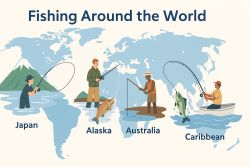
Fishing Around the World
Did you know people fish all over the world in different ways?
- Japan: In Japan, people fly fish in mountain rivers for trout.
- Alaska: Anglers go for big salmon runs.
- Africa: Nile perch are caught in lakes and rivers.
- Australia: Saltwater fishers love going after barramundi.
- The Caribbean: Deep-sea adventures target mahi-mahi and snapper.
This activity brings people together across the globe. It’s a way to explore cultures, food, and nature all through a shared love of the water.
Explore the Best Places to Fish in the U.S.
If you’re looking for the best places to fish, here are some top spots across the country and are great for beginners and pros alike!
- Lake Fork, Texas – Known for huge largemouth bass.
- Florida Keys, Florida – Offers incredible saltwater fishing for tarpon, snapper, and grouper.
- Lake Michigan, Illinois/Wisconsin/Michigan – Try for salmon and trout.
- Kenai River, Alaska – Home to famous king salmon runs.
- Outer Banks, North Carolina – A coastal spot that’s perfect for pier, surf, and boat fishing.
- Clear Lake, California – Great for bass fishing with beautiful views.
- Missouri Ozarks – Crystal clear streams for trout and smallmouth bass.
Before you go, check local fishing rules and get your license. Many of these places offer guides if you’re just starting out!
Building Your First Tackle Box
A tackle box helps you stay organized. Here’s what to put in a beginner’s kit:
- Hooks (small and medium sizes)
- Sinkers (to help your line sink)
- Bobbers (to float and show when fish bite)
- Extra line
- A few lures (soft plastic, spinnerbait, etc.)
- Nail clippers or scissors
- Band-aids (just in case!)
- Small first aid kit
- A notepad to track what you catch!
Keep it simple, and you can always add more as you learn what works best.
Types of Fishing
There are many ways to fish, depending on where you are and what you want to catch. Here are some of the most popular types:
- Freshwater: Done in lakes, rivers, and ponds, freshwater fishing is great for beginners. Common fish include bass, trout, and catfish.
- Saltwater: This type takes place in oceans and coastal waters. Anglers can catch bigger fish like tuna, marlin, and redfish.
- Fly: A special technique using lightweight artificial flies to lure fish, usually done in rivers or streams.
- Ice: A winter sport where anglers drill holes into frozen lakes to catch fish beneath the ice.
- Deep-Sea: For those looking for adventure, deep-sea fishing involves heading far offshore to catch large species like sharks, swordfish, and mahi-mahi.
Essential Fishing Gear
Before heading out, you’ll need the right gear. Here’s a basic checklist:
- Rod and Reel: Choose a rod and reel that match the type of fishing you plan to do.
- Fishing Line: Different strengths (measured in pounds) are needed for various fish species.
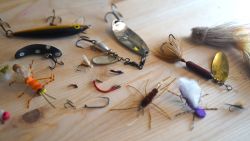
- Hooks and Bait: Live bait (worms, minnows) or artificial lures can attract fish.
- Tackle Box: Holds all your essential gear, including hooks, lures, and extra line.
- License: Most places require a fishing license, so be sure to check local regulations.
- Other Accessories: Pliers, a net, a cooler for your catch, and sunscreen for protection.
Best Places to Fish
Where you fish depends on the type of experience you want. Some of the best locations include:
- Local Lakes and Ponds: Great for beginners and families.
- Rivers and Streams: Ideal for fly and freshwater species.
- Coastal Shores: Perfect for saltwater type from piers or beaches.
- Deep-Sea Locations: Charter a boat to fish in the open ocean.
- National Parks: Many parks offer beautiful spots with scenic views.
Techniques for Success
No matter where you fish, using the right technique can increase your chances of making a good catch. Here are some useful tips:
- Know Your Fish: Different fish have different habits, so research the species in your area.
- Be Patient: Fishing takes time, so enjoy the process rather than just the result.
- Use the Right Bait: Some fish prefer live bait, while others respond better to lures.
- Check the Weather: Fish are more active in certain weather conditions. Cloudy days are often better than bright, sunny ones.
- Be Quiet: Sudden noises can scare fish away, so move and talk quietly near the water.
Mastering the Techniques for Success
Every great angler learns to master a few simple techniques. Here are beginner-friendly tips that will take your skills to the next level:
- Timing is Everything: Fish are most active early in the morning or before sunset.
- Watch the Water: Look for movement like ripples or jumping fish.
- Be Flexible: Try different bait, depths, and locations until something works.
- Practice Makes Perfect: Spend time casting in your yard or at a pond just to improve your aim.
- Stay Calm: The best catches happen when you’re patient and alert.
The more you fish, the better you get and the more fun it becomes!
Safety Tips
Staying safe while fishing is important, especially for beginners. Follow these guidelines:
- Wear a Life Jacket: If you’re going to fish from a boat, always wear a life jacket.
- Be Aware of Hooks: Hooks are sharp, so handle them carefully to avoid injury.
- Check Local Regulations: Follow the laws, including catch limits and protected species.
- Stay Hydrated: Bring plenty of water, especially when out in the sun.
- Protect Yourself from the Sun: Wear a hat, sunglasses, and sunscreen.
For more safety tips and fishing basics, visit the Take Me Fishing official site —a great resource for anglers of all ages.
The Joy of Catch and Release
Not all fish need to be kept. Practicing catch and release helps maintain fish populations for future generations. If you choose to release a fish, handle it gently and return it to the water quickly. The Catch and Release practice not only protects nature but also brings personal joy. Many anglers feel proud knowing they helped keep the fish populations strong. It’s a big part of being a responsible and respectful fisher.
Fishing as a Lifetime Hobby
This is a sport that people of all ages can enjoy. It’s a great way to relax, spend time with loved ones, and appreciate nature. Whether you fish for fun or food, the experience is always rewarding.
Where to Get Fishing Gear
For the best fishing equipment, check out a trusted outdoor sporting goods store. They offer high-quality rods, reels, bait, and accessories to help you make the most of your trips. GO HERE to get yours now!
Final Thoughts
Fishing is an exciting and peaceful way to enjoy the outdoors. Whether you’re a beginner or an experienced angler, every trip to the water brings new experiences. So grab your fishing gear, head to your favorite spot, and enjoy the thrill of the catch! We hope you have enjoyed Fishing: The Ultimate Guide to a Relaxing and Rewarding Sport. Come back and check out our other articles as well.
Author: Kaye