
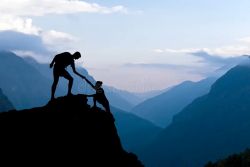
Mountaineering, or mountain climbing, is the sport of reaching the top of mountains. It combines hiking, climbing, and sometimes camping to reach high peaks. Embarking on a mountaineering adventure is an exciting endeavor that requires careful preparation and a commitment to learning essential skills.
A Brief History of Mountaineering
People have been climbing mountains for centuries. In the past, they climbed for exploration or religious reasons. In the 1700s, mountaineering became a sport, with climbers challenging themselves to reach higher and harder peaks. Today, it’s a popular activity worldwide, with many people enjoying the thrill of the climb and the beauty of nature.
Different Types of Mountaineering
Mountaineering can be divided into three main types:
- Hiking – This is walking on trails and is the first step in climbing a mountain. Hikers need to be able to walk long distances without getting too tired.
- Rock Climbing – This involves climbing steep rock faces using hands and feet. Climbers use ropes and special equipment to stay safe.
- Snow and Ice Climbing – In colder areas, climbers may need to cross snowfields or climb icy slopes. They use tools like ice axes and wear crampons (spiky attachments for their boots) to help them climb safely.
Why People Love Mountaineering
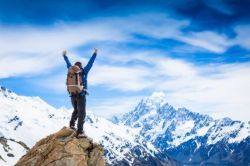
Mountaineering is loved for many reasons:
- Adventure – Climbing mountains is thrilling and gives a sense of accomplishment.
- Exercise – It’s a great way to stay fit, as it works many muscles and improves endurance.
- Nature – Climbers get to experience beautiful landscapes and see wildlife.
- Friendship – Climbing with others builds strong bonds and teamwork.
Here’s how you can begin your journey into the world of mountain climbing.
1. Educate Yourself:
- Take a Course – Enroll in a mountaineering class to learn fundamental skills such as navigation, use of climbing equipment, and safety protocols. Organizations like the Sierra Club offer courses covering topics like backpacking, snow travel, and wilderness ethics.
- Read Authoritative Guides – Books like “Mountaineering: The Freedom of the Hills” provide comprehensive information on techniques and safety measures.
2. Develop Physical Fitness:
- Cardiovascular Training – Engage in activities like running, cycling, or swimming to build endurance.
- Strength Training – Focus on exercises that strengthen your legs, core, and upper body to handle the demands of climbing with a backpack.
3. Acquire Essential Skills:
- Navigation – Learn to read maps, use a compass, and operate a GPS device to navigate mountainous terrain effectively.
- Snow and Ice Travel – Practice techniques for walking on snow and ice, including the use of crampons and ice axes.
- Self-Arrest Techniques – Master the ability to stop a fall on a snow-covered slope using an ice axe.
- Crevasse Rescue – How to perform rescues in glacier environments, including rope team travel and pulley systems.
4. Gain Practical Experience:
- Start with Guided Climbs – Join guided trips to apply your skills in real-world settings under the supervision of experienced mountaineers.
- Practice Locally – Begin with smaller, less technical peaks to build confidence and experience before attempting more challenging climbs.
5. Build a Network:
- Join Mountaineering Clubs – Connect with local clubs to find climbing partners, share knowledge, and participate in group climbs.
- Seek Mentorship – Learning from seasoned climbers can provide invaluable insights and accelerate your development.
Mountaineering: Reaching New Heights
Mountaineering, or mountain climbing, is an exciting outdoor activity where people climb mountains. It combines hiking, rock climbing, and sometimes walking on snow and ice. Climbers aim to reach the top, or summit, of mountains, experiencing adventure and breathtaking views along the way. There is nothing more exciting than being in The Great Outdoors to learn about the beauty of nature.
Essential Gear for Mountaineering
Having the right equipment is crucial for safety and success. Key items include:
- Climbing Helmet – Protects the head from falling rocks and bumps.
- Harness – Worn around the waist and legs, it connects the climber to ropes.
- Ropes and Carabiners – Used to secure climbers and provide safety.
- Ice Axe – Helps climbers ascend icy slopes and can stop a slide.
- Crampons – Attached to boots, they provide grip on ice.
- Proper Clothing – Layers of clothing keep climbers warm and dry in changing weather.
Important Skills for Mountaineering
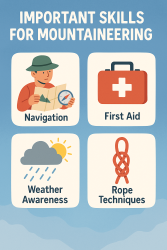
Climbers need to learn several skills:
- Navigation – Reading maps and using a compass to find the way.
- First Aid – Knowing how to treat injuries in case of accidents.
- Weather Awareness – Understanding weather patterns to avoid dangerous conditions.
- Rope Techniques –Learning how to tie knots and use ropes safely.
- Snow and Ice Travel – Practicing how to walk and climb on snow and ice safely.
Mountaineering for Kids and Beginners
Mountaineering isn’t just for grown-ups or pros. Kids and beginners can enjoy the excitement of climbing too! Many trails are beginner-friendly and don’t require special gear. It’s a great way to build confidence, stay active, and learn teamwork. Parents should make sure kids are dressed properly, carry snacks, water, and a map, and always hike with a buddy or adult. Starting with local hills or nature parks can help kids and new climbers learn the basics safely.
How to Prepare for a Climb
Good preparation can make a big difference on a mountain trip. Here are a few things every climber should do before heading out:
- Check the Weather: Mountain weather changes quickly. It’s best to avoid climbing during storms or strong winds.
- Know the Trail: Study a map or use a mobile app to learn about the trail. Know where it starts and ends.
- Pack the Essentials: Water, snacks, extra clothes, a flashlight, first aid kit, and a whistle are important for safety.
- Tell Someone Your Plan: Let a friend or family member know where you’re going and when you’ll be back,
Climbing without preparation can be dangerous, so always take the time to plan carefully.
The Role of Technology in Mountaineering
Technology is helping climbers stay safer and more connected. Apps like AllTrails or Gaia GPS help climbers navigate trails and record their trips. Smartwatches and GPS trackers let friends or family know where climbers are, even in remote areas. Some devices even have emergency buttons that can call for help. While technology is helpful, climbers should also know how to navigate with a compass and map just in case batteries run out.
Mountaineering as a Team Activity
Climbing as a group can be more fun and much safer. Team members can help each other over tough spots, carry supplies, and watch out for problems. Communication is key. Before starting, everyone should talk about the plan, who leads, and how to stay in touch on the mountain. Teams should stay close together and check in often. Celebrating the summit with your climbing group makes the journey even more special!
Environmental Awareness and Leave No Trace
Mountains are beautiful, but they’re also delicate. Climbers should follow Leave No Trace rules to keep nature clean and safe:
- Stay on Trails: Avoid making new paths that damage plants and animals.
- Carry Out Trash: Pack up all garbage and food wrappers.
- Don’t Pick Flowers or Rocks: Leave nature where you find it.
- Be Kind to Wildlife: Watch animals from a distance and don’t feed them.
Respecting nature ensures that others can enjoy the same beautiful views and trails.
Mountaineering and Mental Health

Did you know that spending time in the mountains can help your mind too? Mountaineering gives people a chance to get away from busy life, clear their heads, and enjoy peaceful moments in nature. Climbing challenges help people feel strong and proud. The quiet of the outdoors, the sound of wind, and the beauty of the views help reduce stress and boost happiness. For many climbers, mountain time is healing and powerful.
Inspirational Climbers from Around the World
Many people have become heroes in the world of mountaineering. Here are just a few:
- Tenzing Norgay and Sir Edmund Hillary – The first to reach the top of Mount Everest in 1953.
- Junko Tabei – The first woman to climb Everest and complete the Seven Summits (one on each continent).
- Jordan Romero – Climbed Mount Everest at just 13 years old, showing young people what’s possible.
These stories remind us that with courage and training, anyone can reach great heights.
Safety Tips for Young Climbers
For kids interested in mountaineering, safety is very important:
- Start Small – Begin with easy hikes and gradually try more challenging climbs.
- Stay Together – Always climb with a group and stay close to adults.
- Be Prepared – Carry enough water, food, and warm clothing.
- Listen to Leaders – Follow instructions from experienced climbers and guides.
- Respect Nature – Leave no trace—keep the mountains clean and undisturbed.
Learning Mountaineering
Many organizations offer courses for beginners, including kids. These courses teach basic skills, safety, and how to use equipment. For example, the American Alpine Institute offers programs for young climbers to learn and enjoy mountaineering safely.
Famous Mountains to Explore
There are many mountains around the world that climbers aim to summit. Here are a few notable ones:
- Mount Everest – The tallest mountain in the world, located in Nepal.
- Mount Kilimanjaro– A popular climb in Africa, known for its diverse ecosystems.
- Denali (Mount McKinley) – The highest peak in North America, located in Alaska.
- Matterhorn – A famous mountain in the Alps, on the border between Switzerland and Italy.
Conclusion
Mountaineering is a rewarding activity that combines physical challenge with the beauty of nature and continuous learning. Remember, the journey is as important as the summit, and every climb is an opportunity to learn and grow. With proper preparation, the right equipment, prioritizing safety, and respect for the mountains, climbers of all ages can enjoy the thrill of rewarding experiences that come with reaching new heights.
For a visual introduction to mountain and rock climbing for kids, check out the following video:
Author: Kaye