
Hiking: Embracing the Trails
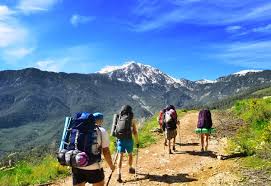
Hiking is a timeless activity that helps people connect with nature, challenge their bodies, and feel peaceful inside. Whether you’re walking on short local trails or going on long mountain hikes, hiking brings adventure, joy, and calm.
The Benefits of Hiking
Hiking is good for your body, mind, and soul. It helps your heart stay healthy, builds muscles, and improves balance. It also helps you feel calm, reduces stress, and clears your mind. When you hike with others, it becomes a fun way to connect with friends and family. And when you’re out in nature, you start to care more about animals, plants, and the earth.
Essential Gear for Hiking
The right gear helps you have a safe and fun time on the trail. Here’s what you need:
- Good Shoes: Hiking boots or trail shoes that fit well and match the terrain.
- Layered Clothing: Light clothes that keep you dry and warm, plus a waterproof jacket.
- Backpack: A comfy pack to hold everything you need.
- Map or GPS: Helps you stay on the right path.
- Water: Always bring enough water to stay hydrated.
- Snacks: Energy bars, fruit, trail mix, or jerky.
- First Aid Kit: Bandages, ointment, and anything else for small injuries.
- Flashlight or Headlamp: For when it gets dark.
Planning Your Hike
Smart planning makes your hike safer and more fun:
- Pick the Right Trail: Choose one that fits your energy level and skill.
- Check the Weather: Dress for the weather and plan ahead.
- Tell Someone: Always let someone know where you’re going.
- Know the Rules: Some parks need permits or have special rules.
Use tools like AllTrails to read reviews and see trail maps. You can even see photos others have taken on the same trails.
Techniques and Tips to Know Before You Hike
These simple hiking tips help you stay safe and enjoy your time outdoors:
- Pace Yourself: Don’t go too fast, find a speed that works for you.
- Pack Light: Only carry what you need.
- Stick to the Trail: Going off-trail can be dangerous and bad for nature.
- Respect Others: Say hello to fellow hikers and let faster people pass.
- Take Breaks: Rest when needed, and enjoy the view!
Hiking Safety Tips for All Seasons
This activity is fun year-round, but each season brings its own challenges. In the spring, trails can be muddy and slippery from rain and melting snow, so it’s important to wear waterproof boots and step carefully. Summer hikes are best done early in the morning to avoid the heat. Always wear sunscreen, drink plenty of water, and choose light clothing to stay cool.
In the fall, the leaves are beautiful, but they can make the trails slick. The days get shorter too, so it’s smart to carry a flashlight or headlamp just in case. Winter hiking means dressing warmly with gloves, hats, and layers. Ice and snow can hide dangers on the trail, so extra caution is needed. No matter the season, checking the weather and letting someone know your hiking plan are always smart steps.
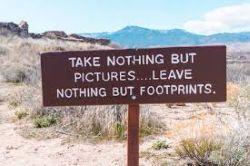
Leave No Trace Principles
Being a good hiker means taking care of the environment. Here’s how:
- Plan Ahead: Know the rules and bring what you need.
- Stay on the Trail: Avoid damaging plants and animal homes.
- Clean Up: Take all your trash with you.
- Leave Nature Alone: Don’t pick flowers or bother animals.
- Be Safe with Fire: Use stoves or only build fires in allowed spots.
- Watch Wildlife: Look, but don’t touch or feed animals.
- Be Kind: Keep noise down and let everyone enjoy nature.
How to Choose the Best Trails
Choosing the right trail makes your hike more enjoyable, especially if you’re just getting started. First, think about how long the trail is. Short hikes under three miles are a good place to begin. Next, look at the difficulty level. Most trails are marked: green means easy, blue is moderate, and black is challenging. If you’re new to this sport, stick to green or blue.
The scenery can also make a hike more fun. Trails with lakes, waterfalls, or scenic overlooks can be exciting to explore. Trails that form a loop bring you back to where you started, while “out-and-back” trails require you to return the same way. You can use hiking apps like AllTrails or Gaia GPS to find nearby trails with helpful reviews and photos.
Top Destinations to Hike in the United States
The U.S. offers a lot of stunning trails for various skill levels. Here are some to try:
- Whispering Cave Trail, Ohio – Located in Hocking Hills State Park, this five-mile loop features a swinging bridge, the park’s second-largest cave, and a seasonal waterfall. It was named the best hiking trail in the U.S. in a 2024 USA Today 10Best poll.
- The Wave, Arizona – Known for its stunning sandstone formations, this hike requires a permit due to its popularity and delicate environment.
- Appalachian Trail, Eastern U.S. – Stretching over 2,000 miles from Georgia to Maine, this iconic trail offers diverse sections suitable for day hikes or extended backpacking trips.
- Skyline Ridge, California – Part of the Midpeninsula Regional Open Space District, this trail offers accessible paths with scenic views, ideal for hikers of all ages.
Bonus trails outside the U.S. include:
- Panorama Ridge Trail, British Columbia – Though located in Canada, this trail in Garibaldi Provincial Park offers breathtaking views and is a favorite among hikers.
- Inca Trail (Peru) – Leads to Machu Picchu, combining history and breathtaking mountain views.
- Tour du Mont Blanc (Europe) – Circles Mont Blanc massif, traversing France, Italy, and Switzerland.
Building Your Hiking Skills

As you gain experience, consider joining a Hiking Group. Local clubs offer opportunities to learn from seasoned hikers and discover new trails. It would also be beneficial to take a Navigation Course to enhance your map reading and compass skills to confidently explore less-traveled paths. And last but not least, you should learn Wilderness First Aid to equip yourself with the knowledge of how to handle injuries or emergencies in remote areas.
Fun Facts About Hiking
- The longest hiking-only trail in the world is the Appalachian Trail.
- Hiking burns about 400–700 calories per hour.
- John Muir, a famous hiker and nature lover, helped create National Parks.
- “Hiking” in the U.K. is often called “rambling.”
Common Hiking Mistakes to Avoid
Don’t let simple errors ruin your hike! Watch out for:
- Wearing the wrong shoes – causes blisters.
- Forgetting water – leads to dehydration.
- Not checking weather – can leave you wet or cold.
- Going off-trail – easy to get lost.
- Overpacking – makes you tired too fast.
- Underestimating the trail – start small and build up.
Tips for Hiking Alone
Going on a hike by yourself can be a peaceful experience, but safety is extra important. Always let someone know where you are going and what time you expect to be back. It’s best to start with popular trails where other hikers are around in case you need help. Bring extra supplies, including food, water, and a charged phone. Stay alert and listen to your surroundings. If the weather looks bad or the trail seems unsafe, don’t be afraid to turn back. Trust your instincts and remember that going on a hike alone is something to work up to slowly.
Hiking for Kids and Families
Taking a hike is a fun way to spend time together! Tips for families:
- Pick easy trails with fun features like creeks or rocks to climb.
- Bring snacks and water to keep energy up.
- Play games on the trail, like spotting animals or trees.
- Let kids carry their own small backpack to feel involved.
- Make it fun, not a race!
How to Turn Hiking Into a Habit
If you want to hike more often, making it a habit is a great idea. You can start by setting small goals, like going for a hike once a week or trying five new trails this season. Keeping track of your hikes in a notebook or app helps you see your progress. Invite friends or family to join you. Going on a hike with others makes it more fun. You can even join online hiking challenges where you earn virtual badges or rewards for reaching milestones. The more you hike, the easier it becomes to make it part of your weekly routine. Don’t forget to celebrate your progress along the way because every step counts!
Conclusion
A fun and healthy way to enjoy the outdoor is to take a hike. No matter your age or fitness level, there’s a trail waiting for you. With the right planning, gear, and attitude, hiking can bring joy, confidence, and a closer bond with nature.
Author: Kaye