
Updated 5/20/25
Camping: Embrace Nature and Explore the Great Outdoors
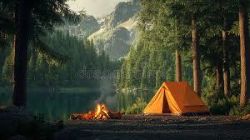
Camping is more than just an activity; it’s an escape from the everyday hustle and bustle of life and an opportunity to connect with nature. It is a great way to create unforgettable memories with your family and friends. Whether you’re pitching a tent under the stars or staying in a cozy camper, camping allows you to immerse yourself in the beauty of the outdoors. From serene lakesides to rugged mountain landscapes, there is always something new to explore and discover.
What Is Camping?
Camping is an outdoor adventure where you sleep away from home. People use tents, campers, vehicles, or cabins to stay overnight in nature. It can be as simple as lying on a sleeping bag in the forest or as exciting as staying in a fancy camper with a kitchen and bathroom. When you camp, it gives you a chance to breathe fresh air, see amazing views, and learn about nature while you Explore the Great Outdoors.
Benefits of Camping
The Benefits of Camping go far beyond fresh air and fun. They include mental relaxation, physical health, stronger family connections, and an appreciation for nature. Camping is so much more than just a way to spend a night in the great outdoors—it offers numerous benefits that enhance your physical and mental well-being. Here is a site to explain benefits like stress relief and improved well-being from spending time outdoors: Nature therapy – Health effects & mood improvements.
- Stress Relief: Taking time away from the hustle and bustle of modern life allows you to unplug, relax, and focus on enjoying nature. The fresh air, scenic views, and peace and quiet can help alleviate stress and improve your mental health.
- Physical Activity: From hiking and biking trails to kayaking or boating on nearby lakes, camping provides plenty of opportunities for physical activity, which helps improve your fitness. Outdoor activities like these keep your body moving, even while you’re on vacation.
- Social Connection: Camping encourages spending quality time with family and friends. Whether it’s cooking meals together, telling stories around the campfire, or exploring the wilderness, shared experiences can strengthen bonds and create lasting memories.
- Learning Opportunities: Being in nature offers countless chances to learn. You can discover new plants and animals, learn to identify constellations in the night sky, or develop new skills like fishing or using a compass and map..
- Improved Sleep: Away from the distractions of everyday life, the natural environment promotes better sleep. The physical activity during the day and the absence of artificial lights at night help regulate sleep patterns.
Types of Camping
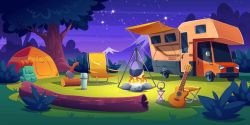
There are many Types of Camping and Activities to explore, each offering a different kind of adventure.Camping comes in various forms, each offering unique experiences:
- Tent Camping: Traditional camping involves setting up a tent at a campsite. This type allows for a closer connection to nature and is often the most affordable option.
- RV Camping: Recreational Vehicle (RV) camping provides the comforts of home on the road. RVs offer amenities like beds, kitchens, and bathrooms, making it a popular choice for families and those seeking more comfort.
- Backpacking: For the more adventurous, backpacking combines hiking and camping. Backpackers carry all their gear in backpacks and hike to remote locations, setting up camp along the way.
- Glamping: A blend of “glamorous” and “camping,” glamping offers luxury accommodations in natural settings. Think safari tents with real beds, electricity, and gourmet meals.
- Car Camping: This style involves driving to a campsite and setting up near your vehicle. It offers convenience and easy access to supplies.
Essential Camping Gear
Before you hit the trail, make sure you have your Essential Camping Gear packed and ready! Having the right equipment is crucial for a successful camping trip. Not sure what gear to bring? This essential checklist from REI will help you pack like a pro. Here’s a list of essentials to consider:
- Shelter:
- Tent (with stakes and guy lines)
- Ground tarp or footprint
- Sleeping bag appropriate for the season
- Sleeping pad or air mattress
- Pillow
- Cooking:
- Portable stove or campfire equipment (if allowed)
- Fuel for the stove
- Lighter and waterproof matches
- Cooking utensils (pot, pan, spatula)
- Eating utensils (plate, bowl, cup, fork, knife, spoon)
- Biodegradable soap and sponge
- Cooler with ice packs
- Food and snacks
- Clothing:
- Weather-appropriate clothing (layers are best)
- Waterproof jacket and pants
- Hat and gloves (if camping in cooler weather)
- Extra socks and underwear
- Comfortable hiking boots or shoes
- Sandals or camp shoes
- Personal Items:
- First aid kit
- Sunscreen and lip balm with SPF
- Insect repellent
- Personal hygiene items (toothbrush, toothpaste, etc.)
- Towel
- Headlamp or flashlight with extra batteries
- Multi-tool or knife
- Map and compass or GPS device
- Notebook and pen
- Safety Items:
- Whistle
- Emergency blanket
- Duct tape for quick repairs
- Paracord or rope
- Bear spray (if camping in bear country)
Planning Your Camping Trip
Planning Your Camping Trip ahead of time is the best way to ensure a fun and stress-free outdoor experience. Proper planning ensures a safe and enjoyable experience. GO HERE to find your needed items. Here are some steps to help you prepare:
- Choose a Campsite: Research campgrounds or backcountry sites that suit your preferences and skill level. Consider factors like location, amenities, activities available, and regulations.
- Make Reservations: Popular campsites can fill up quickly, especially during peak seasons. Reserve your spot in advance to guarantee availability.
- Check the Weather: Monitor weather forecasts leading up to your trip. Be prepared for unexpected changes and pack accordingly.
- Inform Others: Share your itinerary with a friend or family member, including your destination, dates, and emergency contact information.
- Review Safety Guidelines: Familiarize yourself with the local wildlife, potential hazards, and safety recommendations for the area.
- Pack Smart: Use the checklist above to ensure you have all necessary gear. Remember, it’s better to have something and not need it than to need it and not have it.
Outdoor Activities
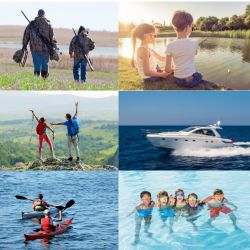
Camping offers a plethora of outdoor activities that cater to all ages and interests. Here are some popular options:
- Hiking: Explore trails of varying difficulty levels. Hiking allows you to experience the landscape up close and can lead to breathtaking viewpoints.
- Fishing: Many campsites are near lakes, rivers, or streams, offering excellent fishing opportunities. Remember to check local regulations and obtain any necessary permits.
- Wildlife Watching: Bring binoculars and a field guide to observe and identify local wildlife. Always respect animals’ space and observe from a distance.
- Campfire Stories: Sharing tales around the campfire is a time-honored tradition. It’s a great way to bond and create lasting memories.
- Stargazing: Away from city lights, the night sky is a canvas of stars. Learn to identify constellations and watch for shooting stars.
- Photography: Capture the beauty of nature through photography. Early morning and late afternoon provide the best lighting.
- Swimming: If near a safe body of water, swimming can be a refreshing activity. Always supervise children and be aware of water conditions.
- Games: Engage in classic camp games like capture the flag, scavenger hunts, or nature bingo. These activities are especially enjoyable for families with children.
- Cooking Together: Preparing meals as a group can be a fun and rewarding experience. Try new recipes or stick to campfire classics like s’mores.
Delicious Camping Meals You’ll Want to Try
Food tastes better outdoors! Easy and yummy ideas include:
- Walking Tacos: Taco fixings in a small bag of chips
- Campfire Grilled Cheese: Wrap it in foil and cook it over the fire
- One-Pot Pasta: Cook noodles and sauce in a single pot for easy cleanup
- Pancakes on a Skillet: Start your day with a hot breakfast
Bring plenty of snacks too—camping makes everyone extra hungry!
Camping with Kids – Special Tips
If you’re camping with children, here are a few extra things to think about:
- Bring games, books, or crafts for downtime.
- Let kids help with simple camp chores (they’ll love being “helpers”).
- Have a bedtime plan—a comfy sleeping bag, a nightlight, and a story help kids feel secure.
- Plan short hikes and lots of breaks.
Kids love the adventure of camping—but being prepared helps avoid cranky moments! Go HERE to see my blog about Camping with Kids for more tips.
Leave No Trace – Protect the Outdoors
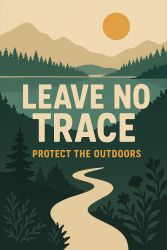
Good campers leave nature better than they found it. Teach your family these simple rules:
- Pack out all trash—even tiny things like bottle caps and food scraps.
- Stay on trails to protect plants.
- Respect animals: watch from a distance and never feed them.
- Leave rocks, flowers, and natural treasures where you find them.
If everyone does their part, we can keep parks and forests beautiful for years to come!
Why Camping Is the Perfect Family Adventure
Camping brings out the best in people. It encourages teamwork, patience, creativity, and wonder. It teaches kids (and adults!) to appreciate the simple things—a warm meal, a pretty sunset, a cool breeze.
I always wished I could paint so that I could capture beautiful scenes of nature on canvas. A lot of my family has that talent. But capturing photos of nature will have to be good enough for me.
No matter how you camp—whether in a tent, RV, or luxury glamp tent—the important part is being together and making memories. So gather your family, pack your gear, and get ready to embrace nature and explore the great outdoors.
How to Choose the Perfect Campsite
Picking the right campsite can make your trip more enjoyable. Think about how far you want to travel and what kind of experience you’re looking for. Do you want to be close to hiking trails, near a lake, or tucked away in a quiet forest? Make sure the campsite has enough space, shade, and access to water and restrooms. Reading reviews and looking at campsite maps can help you decide before you arrive.
Campfire Safety Tips Everyone Should Know
Campfires are part of the camping experience, but safety is key. Always use an existing fire ring if available. Keep water and a shovel nearby in case you need to put the fire out quickly. Never leave a campfire unattended, and make sure it’s completely out before you go to sleep or leave your site. Teach kids to stay a safe distance away and never throw trash or food into the fire.
Camping Etiquette – Be a Good Neighbor
Being respectful of other campers helps everyone enjoy their stay. Keep noise levels down, especially at night. Don’t walk through someone else’s campsite. Use shared facilities like bathrooms and water pumps politely. And always clean up after yourself. Good manners in the wild help make camping better for everyone.
How to Keep Your Food Safe While Camping
Animals are curious, especially about food! Store your meals in sealed containers or coolers. If you’re in bear country, use bear-proof containers or hang your food from a tree. Never keep snacks in your tent. Clean up food scraps and wash dishes right away. This keeps animals away and your campsite clean and safe.
Weather Changes? No Problem! Be Prepared
Weather in the great outdoors can change fast. Even if it’s sunny when you leave, always pack a rain jacket, warm layers, and a waterproof tent cover. If it gets too hot or cold, you can still enjoy your trip by planning indoor games, reading books, or sharing stories under a covered shelter.
Conclusion
As you can see, there is a lot to do when you Embrace Nature and Explore The Great Outdoors! However you and your family like to camp, I hope you have gotten some valuable information here and a lot of ideas of things you can do! If you need anything for your trip GO HERE to find great deals and discounts for all your essentials!
Author: Kaye